The fourth of five special blogs written for Arts and Culture by University of Exeter researchers and staff to mark Black History Month. This time PhD candidate in Literature Zakiya McKenzie shares seven newspaper editors and journalists who were among the well-known literary champions of the Windrush era and beyond.
My name is Zakiya. I'm a PhD candidate in Literature looking at newsprint archives from Caribbean writers in England with Caribbean Literary Heritage. I am myself, a writer and journalist, who grew up in the Caribbean and moved to Bristol as an adult. In many ways, my project has caused me to consider my own identity because I was born in London but did not really identify with it; I left before I can remember. The more I got into my research, the more I recognised that the story I am looking at is the story of my family - three of my grandparents would be considered a part of the Windrush generation, my parents grew up in the thick of the 70s London - these are things I never ever considered while living in Jamaica.
Now, my research has simply become me researching my own life. It has even led me back to the records of the slaving family who are likely to have given me the surname I carry now. It is very visceral.
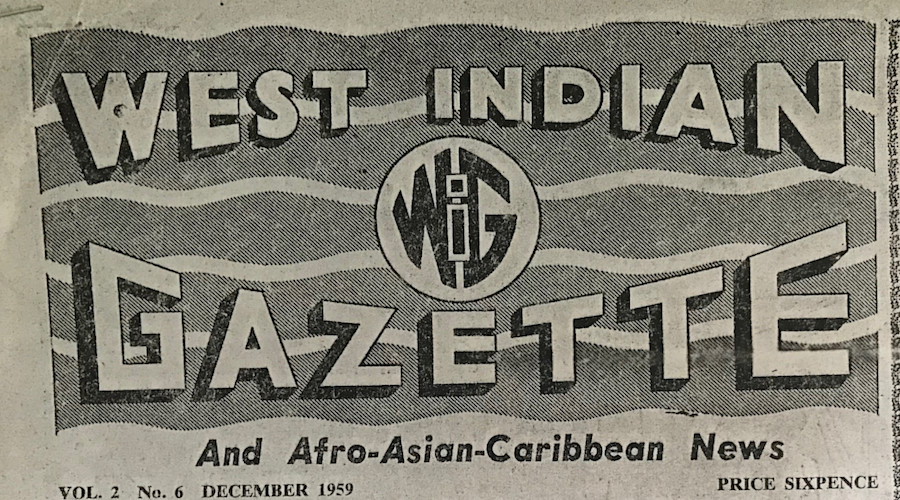
I am here to bring light to the hard-working journalists who did the important job of documenting the past. Their work has allowed me to find out more about myself. My research focuses on West Indian journalists who lived and worked in England during the 1950s - 1970s. I am interested in the newspaper editors and journalists who were among the well-known literary champions of the Windrush era and beyond. Though desperately underfunded, a circuit of immigrant journalists had existed alongside the much more popular prose and poetry publications which students of Caribbean literature will come to know. The storytellers and mythmakers flourished during this time, but the journalists too were there. Black writers and editors were forced to create their own sources of news to report on issues that affected immigrant populations and to counter the one-sided narrative painted by popular press.
Here are a few journalists and publications that have caught my interest:
University of Exeter
Room 153, Queen's Building
The Queen's Drive
Exeter EX4 4QH